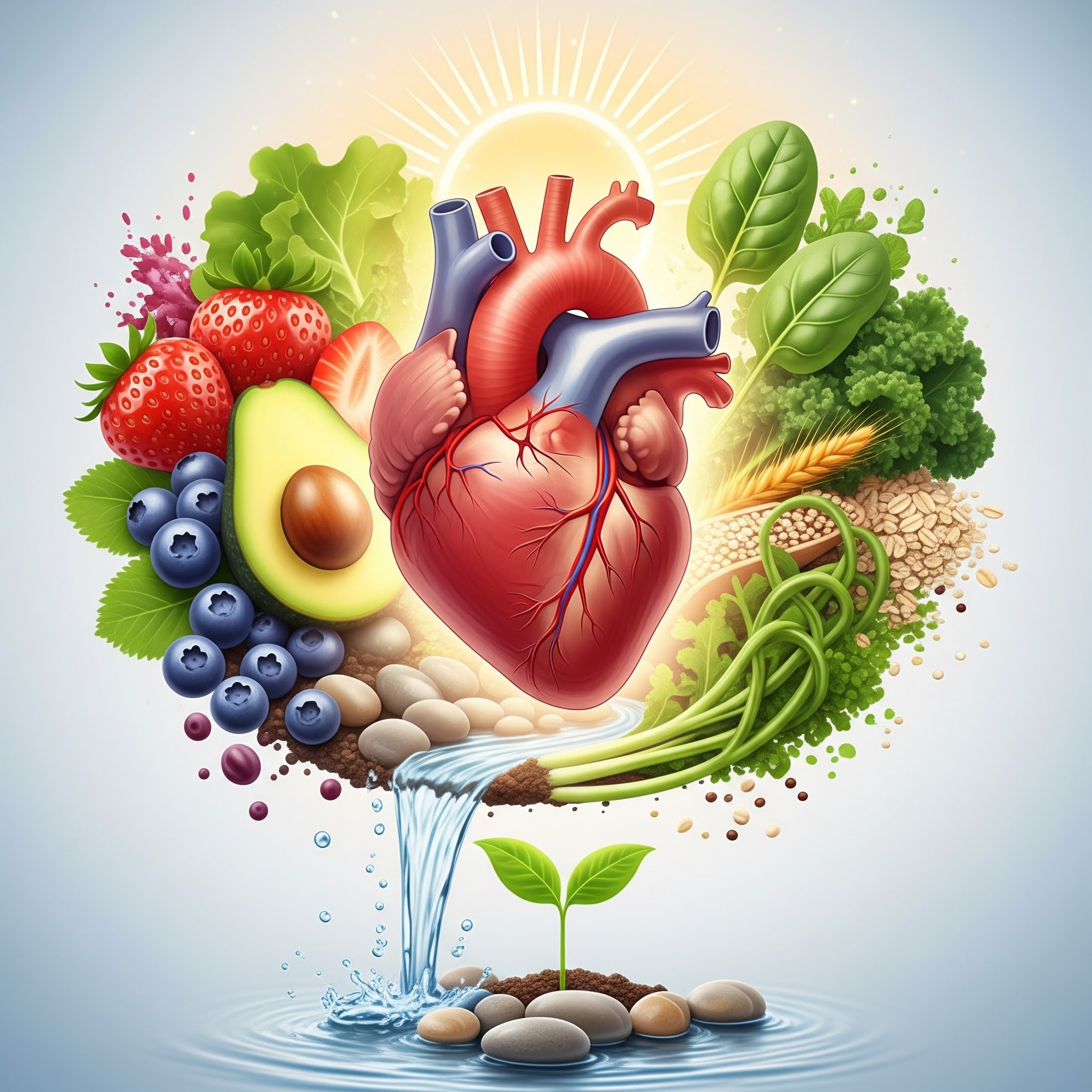

Menopause is a significant life transition for women, often accompanied by a host of changes, with weight gain being one of the most common and frustrating. Many women find themselves battling stubborn belly fat, even when their diet and exercise routines haven’t drastically changed. While hormonal shifts are often blamed, there’s a growing body of research pointing to another crucial player in this metabolic mystery: your gut health.
The Menopause Weight Gain Mystery
As women approach and enter menopause, typically between the ages of 45 and 55, their bodies undergo profound hormonal changes. The most significant is a decline in estrogen production. This drop in estrogen isn’t just responsible for hot flashes and mood swings; it also plays a direct role in how your body stores fat. Prior to menopause, estrogen encourages fat storage in the hips and thighs (pear shape), but with its decline, fat tends to redistribute to the abdomen (apple shape). This central adiposity is not only aesthetically concerning but also carries increased health risks.
Why Traditional Methods Can Fall Short
Many women diligently cut calories and increase exercise, only to see minimal results during menopause. This can be incredibly disheartening and suggests that there’s more at play than just a simple energy balance equation. This is where understanding the intricate connection between your hormones and your gut microbiome becomes vital.
Enter the Microbiome: Your Gut’s Secret Weapon
What is the Gut Microbiome?
Your gut microbiome is a complex ecosystem of trillions of bacteria, viruses, fungi, and other microorganisms living in your digestive tract. Far from being mere passengers, these microbes play crucial roles in your health, from digesting food and synthesizing vitamins to training your immune system and influencing your mood.
How Hormones Impact Gut Health
The relationship between your hormones and your gut is bidirectional. Hormones, particularly estrogen, influence the diversity and composition of your gut bacteria. Conversely, certain gut bacteria, collectively known as the ‘estrobolome,’ produce an enzyme that metabolizes and modulates circulating estrogen levels. During menopause, as ovarian estrogen production declines, this delicate balance is disrupted:
- Reduced estrogen can lead to a less diverse and less resilient gut microbiome.
- A less diverse microbiome can impair the estrobolome’s ability to properly manage estrogen, potentially exacerbating hormonal imbalances.
- This shift can create a pro-inflammatory environment in the gut, setting the stage for metabolic dysfunction.
The Direct Connection: Gut Health and Menopause Weight Gain
When your gut microbiome is out of balance (a state known as dysbiosis) during menopause, it can directly contribute to weight gain through several mechanisms:
1. Inflammation and Insulin Resistance
A disrupted gut lining, often caused by an unhealthy microbiome, can lead to a condition called ‘leaky gut.’ This allows bacterial toxins (endotoxins) to enter the bloodstream, triggering systemic inflammation. Chronic inflammation is a major driver of insulin resistance, where your body’s cells become less responsive to insulin. When insulin resistance occurs, your body has to produce more insulin to manage blood sugar, and high insulin levels promote fat storage, particularly around the abdomen.
2. Altered Metabolism and Energy Extraction
Different types of gut bacteria have varying efficiencies in extracting calories from the food you eat. Some bacterial profiles are associated with higher energy harvest, meaning you absorb more calories from the same amount of food. A shift towards these ‘fat-promoting’ bacteria during menopause can make it easier to gain weight, even without increasing food intake.
3. Impact on Appetite Regulation and Cravings
Your gut communicates extensively with your brain via the gut-brain axis. The microbiome influences the production of neurotransmitters (like serotonin) and hormones (like GLP-1 and PYY) that regulate appetite, satiety, and cravings. A dysbiotic gut can:
- Disrupt signals of fullness, leading to overeating.
- Increase cravings for sugary or high-fat foods.
- Impact mood and stress response, which can also drive emotional eating.
4. Estrogen Metabolism and Recycling
As mentioned, the estrobolome plays a crucial role in reabsorbing and recycling estrogen in the body. If your gut health is compromised, this process can become inefficient. This can lead to an overall lower effective estrogen level, further contributing to menopause symptoms, including the metabolic changes that drive weight gain.
Strategies to Support Your Gut and Manage Menopause Weight
Understanding this connection empowers you to take action beyond just calorie counting. By focusing on gut health, you can create a more hospitable internal environment that supports weight management during menopause:
Prioritize a Fiber-Rich Diet
Fiber acts as a prebiotic, feeding beneficial gut bacteria. Load up on fruits, vegetables, whole grains, legumes, nuts, and seeds. Aim for a wide variety to foster diversity.
Incorporate Probiotic Foods and Supplements
Fermented foods like yogurt, kefir, sauerkraut, kimchi, and kombucha introduce beneficial bacteria into your gut. A high-quality probiotic supplement might also be beneficial, but consult with a healthcare provider.
Manage Stress Effectively
Stress can significantly impact gut health. Practice mindfulness, meditation, yoga, or spend time in nature to reduce stress levels.
Engage in Regular Physical Activity
Exercise not only burns calories but also positively influences gut microbiome diversity and reduces inflammation.
Prioritize Quality Sleep
Poor sleep can disrupt hormones and gut health, leading to increased cravings and weight gain. Aim for 7-9 hours of quality sleep per night.
Stay Hydrated
Water is essential for digestive health and helps maintain the integrity of the gut lining.
Limit Processed Foods, Sugar, and Artificial Sweeteners
These can fuel detrimental bacteria and contribute to inflammation and insulin resistance.
Conclusion
Menopause weight gain doesn’t have to be an inevitable fate. By recognizing the powerful, often overlooked, connection between your gut health and your changing hormones, you gain a new perspective and actionable strategies. Nurturing your microbiome can be a transformative step towards managing your weight, improving your overall well-being, and navigating the menopausal transition with greater health and vitality.